Exploring the shifting cultural perceptions of gambling across generations
The Historical Context of Gambling
Gambling has a long and storied history that stretches back thousands of years. Initially seen as a form of entertainment and a social activity, various cultures incorporated games of chance into their traditions. From ancient civilizations in Mesopotamia and China to the grand casinos of Las Vegas, gambling has often mirrored societal values and norms, reflecting both acceptance and controversy. Many users find convenient access through platforms like https://treasuremilecasino.co.uk/login/, which adds to the allure and modern perception of the activity.
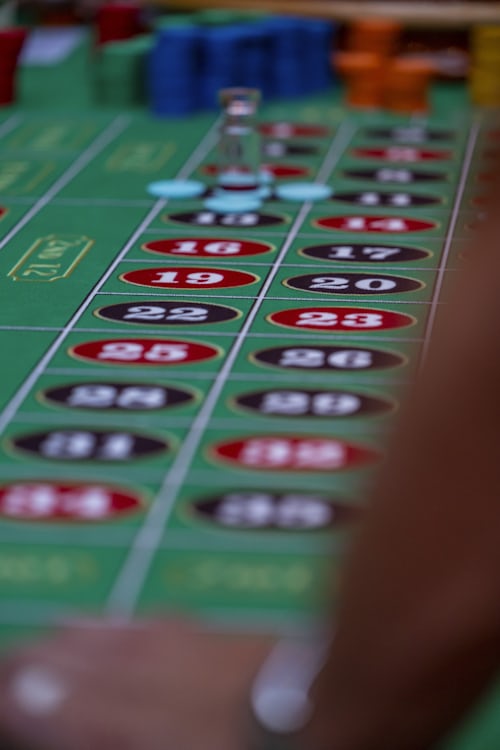
Throughout history, gambling was frequently associated with luck, fate, and even divine intervention. As different societies evolved, so did their perceptions of gambling. While some viewed it as a harmless pastime, others regarded it as morally questionable or even sinful. This dichotomy laid the groundwork for ongoing debates about the implications of gambling in contemporary culture.
Generational Shifts in Attitudes
The attitudes toward gambling have varied significantly across generations. For instance, Baby Boomers often view gambling through a lens of skepticism, reflecting the societal values that emphasized hard work and caution. In contrast, Millennials and Gen Z exhibit a more open and accepting stance, often considering gambling as a viable form of entertainment and social interaction.
This shift can be attributed to numerous factors, including the influence of technology and the rise of online gambling platforms. Younger generations have grown up in a digital world where gambling is accessible and often gamified, altering their perceptions of its risks and rewards. Consequently, gambling is increasingly normalized among younger audiences, transforming it into a social activity that is often embraced rather than shunned.
Myths and Misunderstandings
Despite the changing perceptions of gambling, several myths persist, clouding public understanding. One common misconception is that gambling is solely a path to financial ruin. While it can lead to addiction and significant losses for some, many participants engage in gambling responsibly and view it as a form of entertainment.
Another myth revolves around the belief that certain games are « rigged. » Many players fall victim to the notion that some games are designed to favor the house in a way that is unbalanced or unfair. In reality, most games adhere to standardized rules and regulations, providing a fair chance for all players. Debunking these myths is crucial for fostering a more informed and balanced view of gambling.
Cultural Representation in Media
The portrayal of gambling in media has also played a significant role in shaping cultural perceptions. Films, television shows, and literature often depict gambling as glamorous, risky, and exciting. These representations can influence public attitudes, either romanticizing the lifestyle or warning of its dangers.
As media continues to evolve, so too does the representation of gambling. Recent portrayals are increasingly nuanced, highlighting the complexities surrounding addiction, societal pressures, and the personal consequences of gambling. This shift in narrative may help foster a more realistic understanding of gambling’s multifaceted nature among diverse audiences.

Treasure Mile Casino: A Modern Gambling Experience
In today’s digital age, platforms like Treasure Mile Casino exemplify how technology is transforming the gambling landscape. Offering a user-friendly interface, a variety of games, and personalized experiences, online casinos are becoming popular destinations for both novice and seasoned gamblers.
With an emphasis on security and convenience, platforms like Treasure Mile Casino cater to the evolving needs of modern players. Features such as mobile access and strong security measures ensure that users can enjoy a safe and engaging gambling experience. As cultural perceptions continue to shift, such platforms are positioned to play a pivotal role in shaping the future of gambling in a responsible and enjoyable manner.